Showing posts with label fake drugs. Show all posts

Thursday, December 20, 2012

Fake Malaria Drugs: Driving Resistance and Killing Patients

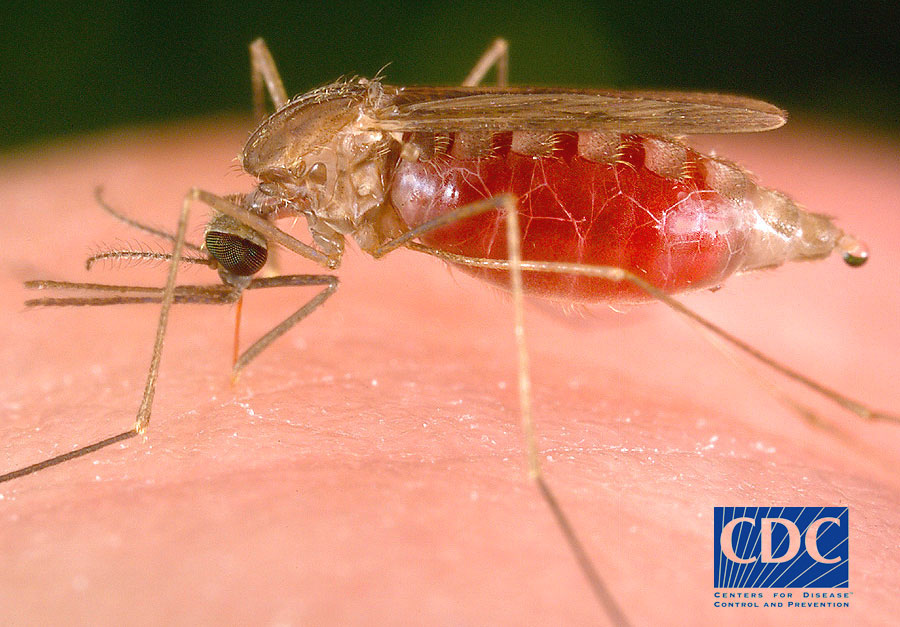
Anopheles mosquito (the mosquito that carries
malaria) taking a meal
Here is a disturbing NPR report on fake malaria drugs. The article highlights the issue of counterfeit malaria drug use and how this has a negative impact on patients and drives drug resistance.

Malaria, a parasitic disease carried by mosquitoes that destroys red blood cells, is a major cause of worldwide morbidity and mortality (killing over 600,000 people per year).

There is a criminal industry focused on producing fake malaria drugs. As malaria can be deadly (and people can die quickly), this industry directly compromises patients' lives. Some of these false drugs actually contain low levels of active anti-malarial compounds-too low to cure the infection but high enough to allow the parasite to develop drug resistance.

The NPR article links to a study by Newton and colleagues published in 2008. In this study they examined 391 samples of the anti-malaria drug artesunate collected in Southeast Asia and found that approximately 50% contained no or very small levels of this compound. Some of the compounds that were detected were potentially dangerous: these included a carcinogen and raw material for the street drug 'ecstacy.'

This is a problem that extends beyond malaria drugs: as I previously noted, up to 50% of medications in some countries for life-threatening diseases may be fake. A major issue is our poor understanding of the scope of this problem.

The problem of malarial drug resistance is a major one: we only have a few anti-malarial drugs as it stands. If resistance to these compounds becomes more widespread than more patients will die. We need to preserve the drugs we have left, including combating such diabolical practices as creating fake or profoundly substandard anti-malarial medicines.


Sunday, November 25, 2012

Fake Drugs: A Global Problem

www.wikipedia.org
In my travel clinic I regularly counsel patients who are traveling abroad that they need to carry a full supply of any prescription medications they regularly take with them, and bring a small cache of over-the-counter medications they might need, as well. In the few instances patients have asked me whether it is safe to purchase a portion of their anti-malarial medications abroad (as the drugs are often much cheaper) I have recommended against this over fear of the quality of the medications they would purchase. Although my practice is consistent with guidance provided by the CDC, we don't know the true scope or nature of this problem.

Here is a link to a nice New York Times article discussing the issue of fake and substandard drugs. This article links to a detailed analysis of this subject by Attaran and colleagues that appeared in this month's BMJ (the full text of this paper is available here).

It is clear that many of the drugs available to consumers (especially in developing countries) are either fake or substandard. The true scope of this problem is unknown, but it has been estimated that half of some drugs for life-threatening diseases may be fake. The article by Attaran and colleagues cites the following real-world examples: > 120 people dying in Pakistan after receiving tainted medication for heart disease, an anti-cancer drug being distributed throughout the world that had no active ingredient and the distribution of substandard HIV drugs in Kenya.

Although this problem is widespread in developing nations, it is a problem for first-world countries, as well. An example of this is the aforementioned issue with the anti-cancer drug bevacizumab, wherein a fake version of the drug (that contained no active drug) was distributed in the United States.

Attaran and colleagues call for a comprehensive international strategy that universally defines what substandard and fake medications are, and that creates legal consequences for trafficking these products. We also need better information about the true scope of this problem.